Timing Elements Shaping Reward Builds in Mobile Poker-Slot Combinations
Xander Müller · Sep 5, 2026
Timing Elements Shaping Reward Builds in Mobile Poker-Slot Combinations
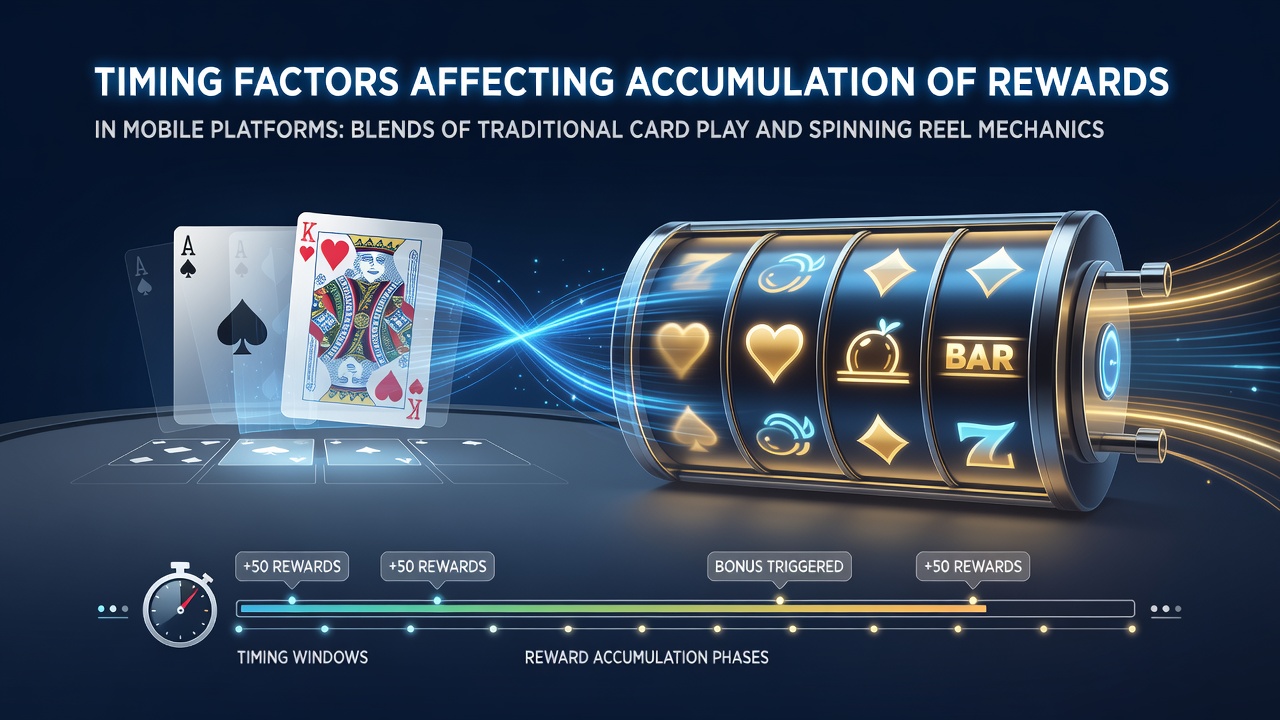
Timing plays a central role in how players accumulate rewards on mobile platforms that combine traditional card mechanics with spinning reel features, and data from industry reports shows patterns tied to daily cycles, session lengths, and event schedules. Platforms integrate poker hands or card draws directly into reel spins, which means reward triggers often depend on when users log in, how long they stay active, and whether they align play with reset times or promotional windows.
Daily Reset Cycles and Their Impact
Many hybrid titles reset bonus meters or free spin counters at fixed intervals, typically midnight in the player's registered time zone or at server-wide points like 00:00 UTC. Players who time sessions just before these resets often build toward multipliers or accumulated rewards more efficiently because partial progress carries over into new cycles. Research from gaming analytics firms indicates that sessions starting two to three hours before reset windows produce higher average reward rates than random play times, since card combinations feed directly into reel bonuses that activate at cycle ends.
Peak Activity Windows and Server Load Effects
Engagement data collected across North American and European servers reveals distinct peaks between 7 PM and 11 PM local time on weekdays, with weekend patterns shifting earlier to afternoon hours. During these windows, integrated poker tournaments or reel cascades trigger more frequently because matchmaking pools fill faster, allowing card play to blend with spinning sequences without delays. Observers note that off-peak hours, such as early mornings, show steadier but slower accumulation because fewer simultaneous users reduce the frequency of shared bonus events.
Integration with Tournament Schedules
Tournaments that run on fixed calendars, such as hourly sit-and-go formats or daily leaderboards, create additional timing layers. When poker-style hands contribute points toward reel-based jackpots, participants who enter near the start of a tournament window gain more opportunities to chain rewards before leaderboards close. Figures from platform operators show that September 2026 saw increased participation in late-evening tournaments on several major mobile apps, where hybrid mechanics allowed card wins to unlock extra spins within the same session.
Promotional Timing and Limited-Time Events
Limited-time events tied to holidays or game anniversaries often open at specific hours and close after 48 or 72 hours. Players who monitor these start times can align card collection phases with reel spin multipliers that activate only during the event. Data indicates that events beginning on Fridays at 6 PM local time draw the highest engagement because they overlap with leisure periods when users have longer continuous play blocks available.
Device and Connection Timing Considerations
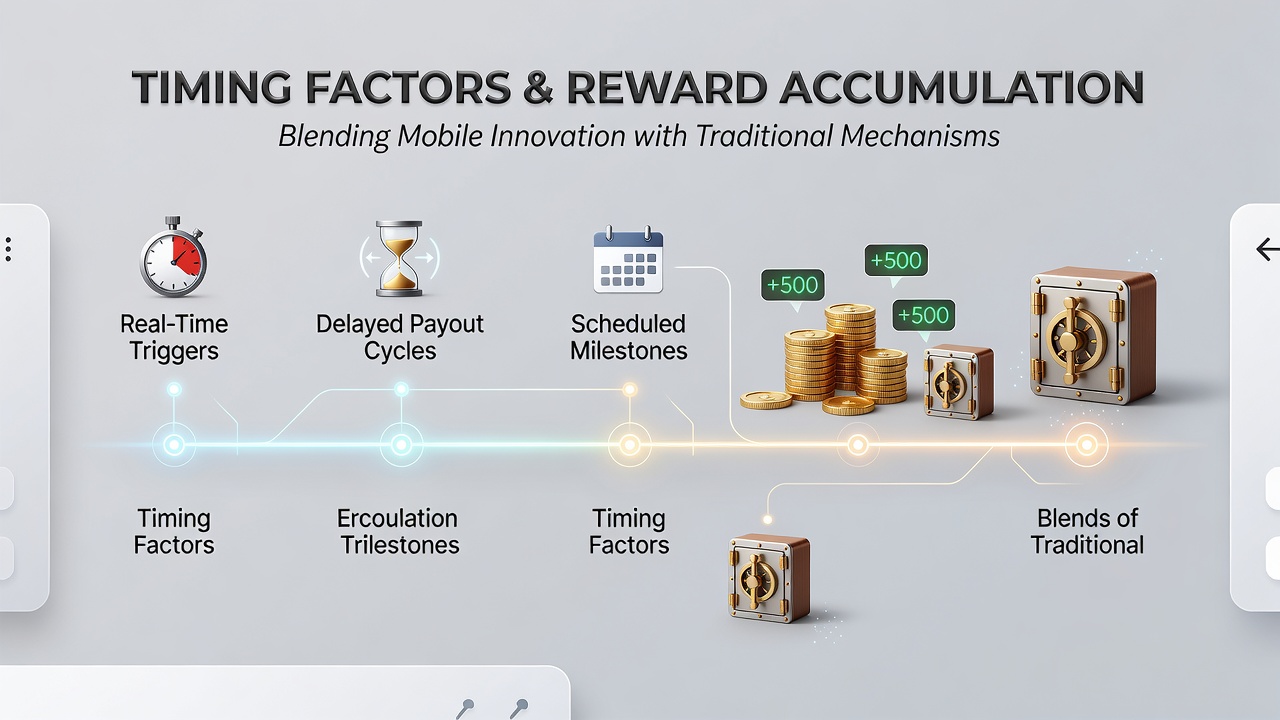
Mobile platforms track connection stability during transitions between Wi-Fi and cellular networks, and brief interruptions can pause reel animations or card draws mid-sequence. Users who schedule sessions during periods of reliable connectivity, such as evenings at home rather than during commutes, complete more full cycles that lead to accumulated rewards. Studies from regional gaming authorities in states like New Jersey and Nevada highlight that stable sessions lasting 20 to 40 minutes produce the most consistent progress toward bonus thresholds in these blended formats.
Cross-Platform Synchronization Effects
Some applications allow progress to sync across mobile and desktop versions, yet timing differences arise when daily rewards reset at different local times. Players who switch devices at precise moments, such as right after a reset notification arrives, maintain momentum in card-to-reel chains. Reports from the Nevada Gaming Control Board document steady growth in synchronized play during 2026, particularly in September when several platforms introduced cross-device hybrid titles.
Conclusion
Timing factors in these mobile hybrids ultimately revolve around alignment with resets, peaks, tournaments, and events rather than random play. Data from multiple sources, including the Australian Gambling Research Centre, continues to track how session planning influences reward totals across card and reel mechanics. Platforms that publish clear schedules help users identify optimal windows, while ongoing analysis of engagement metrics shows that structured timing produces measurable differences in accumulation rates month after month.