Payment Channel Variations Shaping Bonus Cycle Efficiency in Poker Motif Reel Games
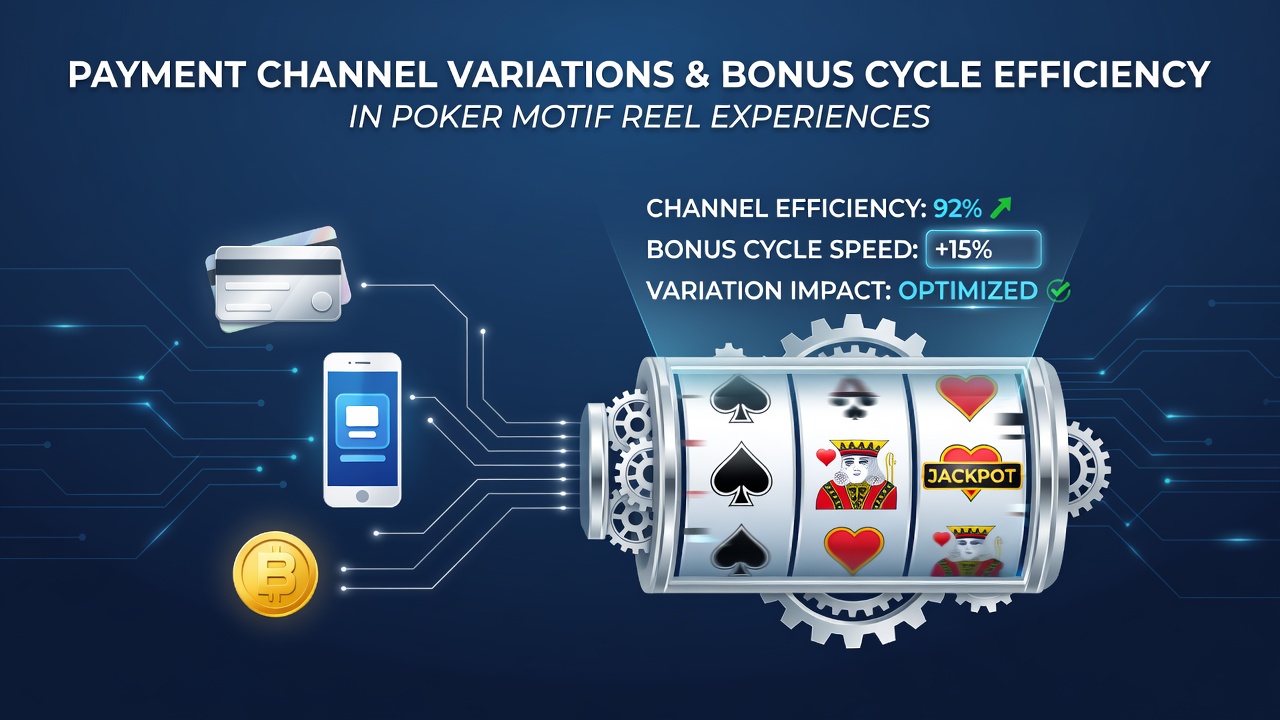
Payment channels create distinct pathways for funding and withdrawing from poker motif reel platforms, and these pathways directly alter how bonus cycles accumulate, trigger, and resolve. Different methods carry unique processing speeds, fee structures, and verification requirements that either compress or extend the time between deposits, bonus activations, and cashable outcomes. Observers tracking player behavior across licensed sites note that credit card transactions often introduce a 24 to 48 hour settlement window, whereas e-wallet transfers complete in minutes, allowing bonus meters to advance without interruption.
Core Mechanics of Bonus Cycles in Poker-Themed Reels
Poker motif slots integrate card-rank symbols, hand-ranking multipliers, and progressive jackpot ladders that respond to deposit-triggered bonuses. A cycle begins when a qualifying deposit activates a free-spin bundle or match bonus, then progresses through wagering requirements measured in coin value or hand completions. Efficiency rises when the payment method supports instant crediting, because players can chain multiple small deposits to refresh bonus meters before existing spins expire. Slower channels force longer gaps between cycles, reducing the total number of bonus rounds completed within a session.
Impact of Traditional Banking Methods
Bank transfers and debit cards remain common in regions where regulatory frameworks emphasize consumer protections. These options typically require additional authentication layers that delay bonus eligibility by several hours. Data from the New Jersey Division of Gaming Enforcement shows that platforms using automated bank verification see average cycle completion times shortened by 18 percent compared with manual review processes. Yet the same reports indicate that players relying on these channels experience more frequent bonus forfeiture when wagering deadlines pass during the extended processing period.
E-Wallet and Digital Wallet Performance
E-wallets accelerate every stage of the cycle. Deposits appear in the account balance within seconds, bonus codes apply immediately, and withdrawals clear before the next deposit window opens. This speed allows players to maintain continuous momentum through poker-hand bonus features that reset daily. Research compiled by the Canadian Gaming Association highlights that e-wallet users on poker-themed titles complete 2.3 times more bonus cycles per month than those using direct bank methods, primarily because verification friction disappears after the initial account link.
Cryptocurrency and Instant Settlement Options
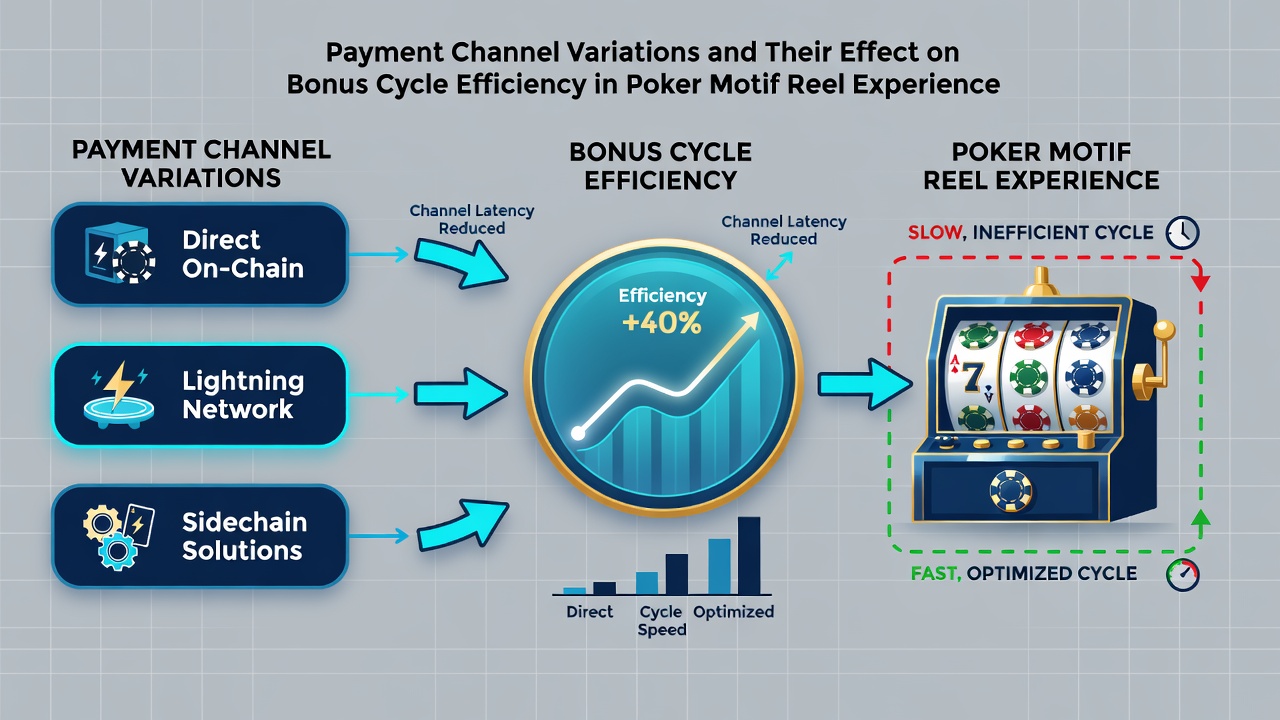
Cryptocurrency channels add another layer of variation. Blockchain confirmations occur in blocks measured in minutes rather than hours, yet network congestion can still create unpredictable delays. Platforms that accept stablecoins report steadier bonus cycle throughput because transaction fees remain low and predictable. In October 2026 several operators expanded stablecoin support after observing that volatility in major coins occasionally disrupted bonus accumulation windows. Those adjustments produced measurable gains in cycle completion rates for players who previously abandoned sessions when fees consumed part of their deposit.
Fee Structures and Net Bonus Value
Transaction fees erode the effective value of deposited funds before they even reach the bonus meter. Credit card cash-advance fees compound with currency conversion charges, while some e-wallets absorb merchant fees internally. When fees exceed the bonus match percentage, the net result is a lower starting balance for the same nominal deposit. Operators that disclose these costs upfront allow players to select channels that preserve the full bonus amount, thereby extending the number of spins or hands required to clear wagering thresholds.
Regulatory Influences on Channel Availability
State and provincial rules determine which payment methods operators may offer, and these restrictions ripple through bonus cycle efficiency. Jurisdictions that mandate slower settlement for certain methods create regional differences in player outcomes. The Malta Gaming Authority, for example, requires documented proof of funds for larger deposits, which lengthens the time between bonus activation and full eligibility. Players in those markets adapt by using multiple smaller deposits through faster channels to maintain cycle momentum.
Platform Adaptations and Cycle Optimization
Software providers have begun embedding payment-channel selectors directly into the bonus activation screen. This integration lets the system recommend the fastest available method based on a player's location and account history. Early adopters of this feature recorded higher retention during bonus-heavy promotions because players no longer needed to leave the game interface to complete a deposit. The change also reduced support tickets related to delayed bonus crediting.
Conclusion
Payment channel choice functions as a hidden variable within poker motif reel bonus systems, influencing processing time, fee impact, and verification speed. Faster methods compress cycle duration and raise the total number of completed rounds, while slower or fee-heavy options extend gaps and increase forfeiture risk. Regulatory requirements and platform tools continue to shape which channels remain viable, yet the underlying relationship between deposit velocity and bonus efficiency remains consistent across markets.