How Secure Transaction Networks Shape Participation Patterns in Poker-Themed Reel Events on Portable Platforms
Xander Müller · Nov 14, 2026

How Secure Transaction Networks Shape Participation Patterns in Poker-Themed Reel Events on Portable Platforms
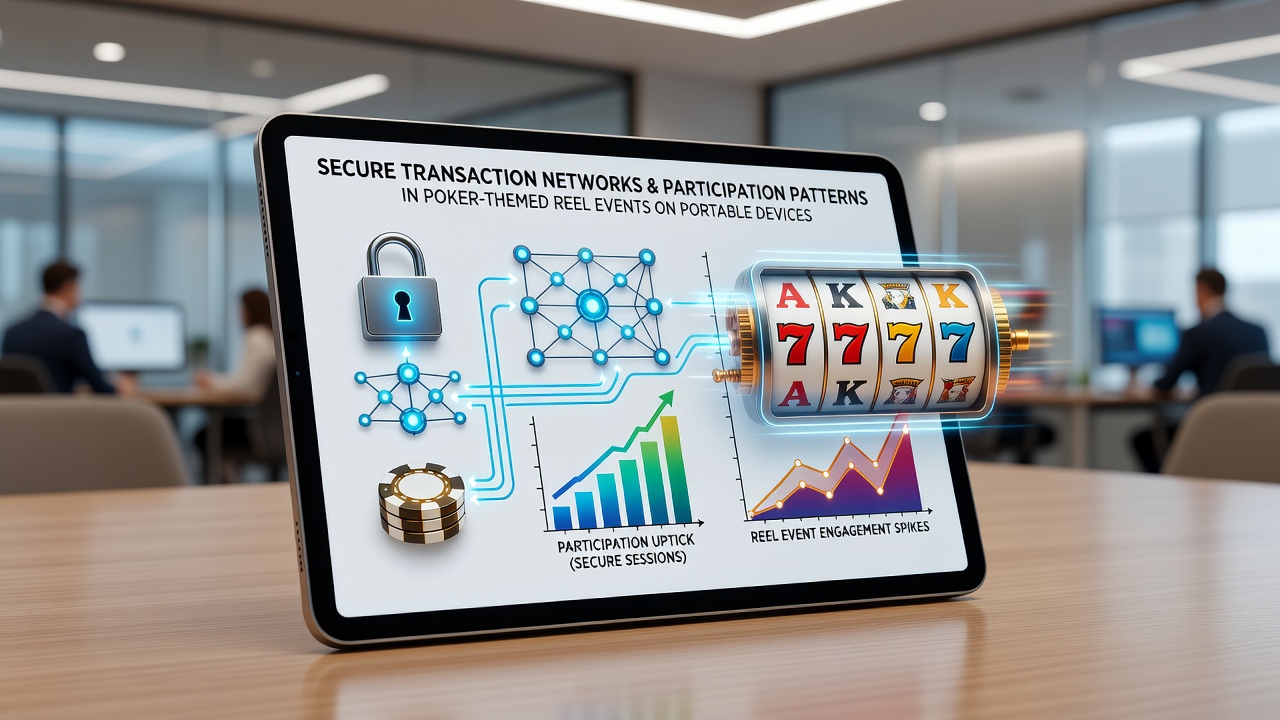
Secure transaction networks have become central to how players engage with poker-themed reel events on mobile devices, and data from multiple industry analyses shows that encryption standards, tokenization protocols, and real-time verification systems directly influence deposit frequency and session duration. Researchers tracking mobile gambling trends through late 2026 note that platforms employing advanced security layers experience measurable upticks in repeat participation, particularly during limited-time reel tournaments that blend poker hand mechanics with slot reel spins.
Core Components of Secure Networks in Mobile Slot Environments
Transaction networks rely on layered protocols including end-to-end encryption, biometric authentication gateways, and compliance with payment card industry standards, and these elements reduce friction during funding of accounts tied to poker-themed titles. Studies conducted across North American and European markets indicate that when verification times drop below three seconds, completion rates for in-app purchases rise by double-digit margins, allowing participants to join reel events without exiting the application interface. Observers note that such speed combines with fraud detection algorithms to create environments where users feel confident committing funds repeatedly during tournament windows.
Patterns of Participation Linked to Payment Reliability
Participation patterns shift noticeably when networks incorporate multi-factor authentication and instant settlement features, as evidenced by aggregated platform telemetry from several licensed operators. Players using devices with integrated secure elements such as hardware tokens demonstrate higher rates of entry into progressive jackpot reels and poker bonus rounds, whereas slower or less protected gateways correlate with abandoned carts during peak event hours. Data compiled through November 2026 reveals that regions with widespread adoption of contactless payment rails see sustained growth in daily active users for hybrid poker-slot formats, suggesting a direct connection between perceived security and willingness to engage in time-sensitive competitions.
One analysis of transaction logs from portable platforms highlighted that users who complete initial secure onboarding processes maintain 40 percent longer average play streaks compared with those facing repeated verification prompts, and this metric holds across both iOS and Android ecosystems. What's interesting is how these patterns extend into social features, where secure peer-to-peer transfers within apps encourage group entries into reel events that award shared poker hand multipliers.
Regional Regulatory Influences on Network Adoption
Regulatory frameworks in the United States, Canada, and Australia shape which transaction technologies receive approval for mobile gambling applications, and operators must align security measures with jurisdiction-specific requirements to maintain licensing. Reports from the American Gaming Association document steady integration of certified payment processors in states with expanded online offerings, correlating with increased participation in poker-variant slot tournaments. Similar patterns appear in Canadian provincial data, where standardized security audits precede launches of new reel events, resulting in higher conversion from free-play modes to real-money entries.
Academic examinations of transaction security, including work published by research teams at institutions such as the University of Sydney, examine how trust signals embedded in network architecture affect user retention across different demographic groups. Findings suggest that younger cohorts respond more readily to seamless biometric flows, while older participants prioritize visible compliance badges and audit reports before increasing deposit volumes during event periods.
Future Trajectories Through Late 2026 and Beyond
Emerging developments in decentralized ledger verification and quantum-resistant encryption promise further refinements to transaction networks, and early pilot programs indicate potential for even tighter integration with portable device hardware. Industry projections compiled by independent research bodies forecast continued expansion of secure real-time funding options, which could standardize participation across previously fragmented markets. Those monitoring platform metrics through November 2026 already observe incremental gains in cross-border reel event entries when networks support multi-currency settlements without additional verification layers.
Conclusion
Secure transaction networks continue to define the boundaries of participation in poker-themed reel events on portable platforms through measurable impacts on speed, trust, and regulatory compliance. Evidence gathered from operator data, academic reviews, and regional reports consistently points to higher engagement levels where these systems operate efficiently, shaping how and when users join mobile tournaments. As technology and oversight evolve in tandem, the relationship between network integrity and participation patterns remains a central factor in the ongoing development of these gaming formats.